
The Markets Are Closed. The World is Not.
Today is Good Friday. The NSE is closed, the trading terminals are quiet, and most investors have mentally checked out for the long weekend.

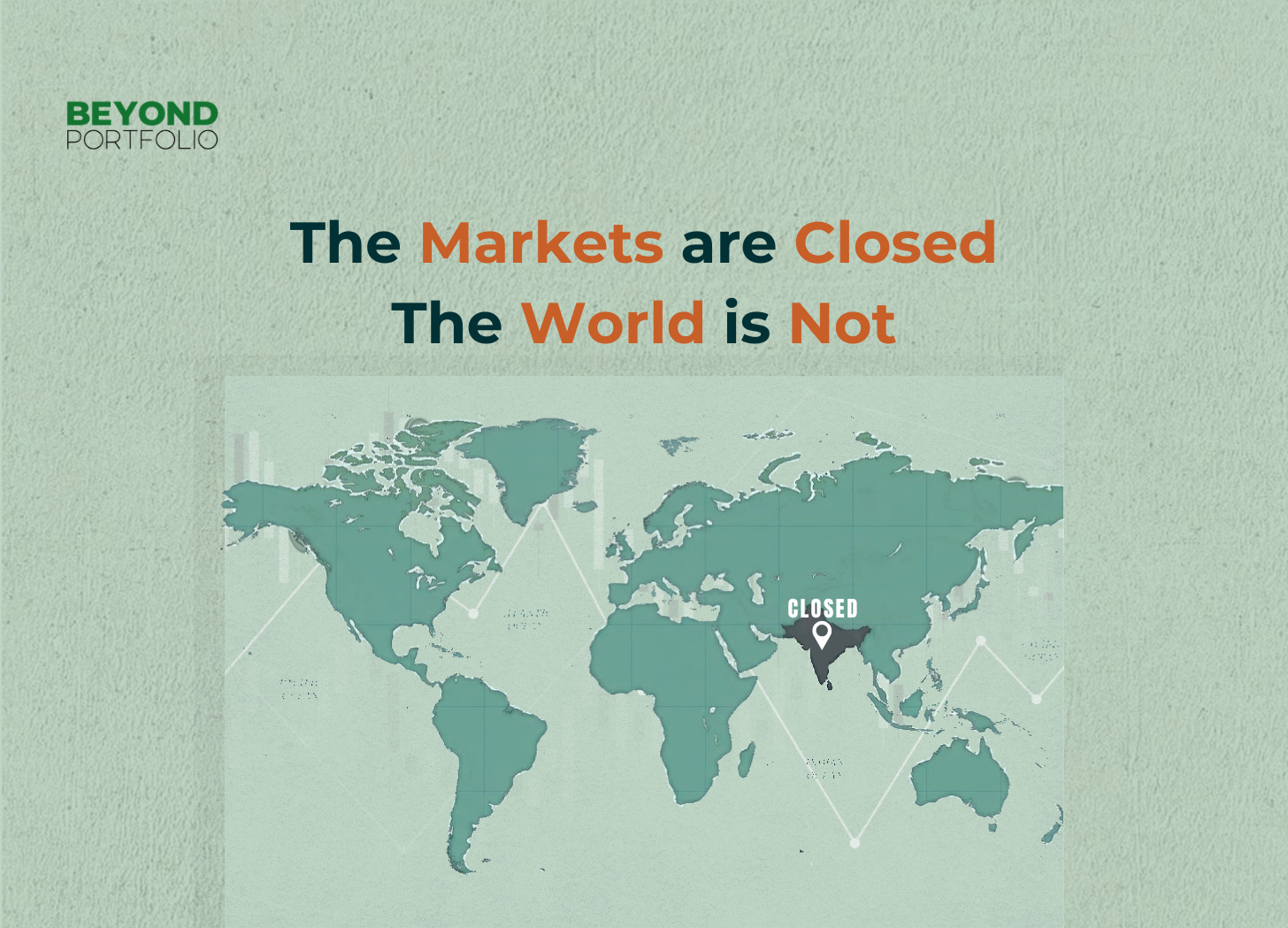
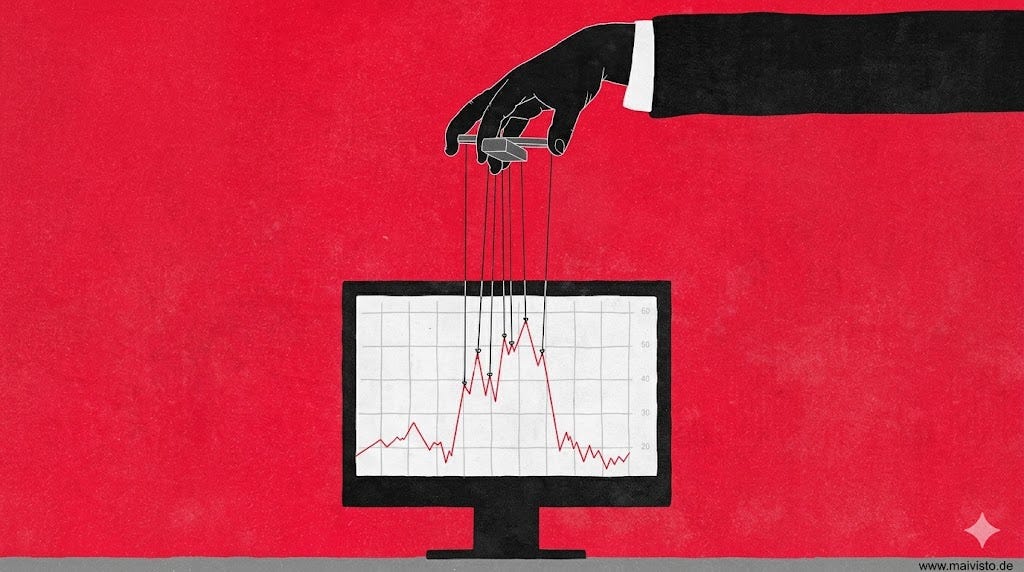
But between last night and Monday morning, the US markets will have opened and closed, crude will have moved, the rupee will have traded, and the GIFT Nifty will have priced in whatever the world decided to do while India was on holiday. By the time the markets reopen, your portfolio will have a view on all of it. Whether you were paying attention or not. Market holidays are not pauses. They are windows where information accumulates without giving you a chance to react. Here is how to use that to your advantage.
What Actually Moves When the Markets Close
The global nature of the markets, along with the various time zones that see trading distributed across the world, actually plays a big role in the behaviour of the Indian stock markets, even after trading hours. For FIIs, the trading never stops, given the interconnectedness of largecap companies, indices and currencies with the global markets. Here is what makes a difference:
Trading continues through SGX/GIFT Nifty: In order to make the markets accessible to global investors, the SGX Nifty, listed on the Singapore Stock Exchange, has offered extended trading hours for FIIs. Now rebranded as the GIFT Nifty and relocated to India, this index allows FIIs to take positions outside market hours on the Indian stock market.
US and European markets: Global indices, including the S&P 500 and the Nasdaq, see their own volatilities during their trading hours, which eventually affects the Indian markets. If the markets react to any geopolitical or economic threat, there is a high probability that this could spillover to the Nifty when it opens. Typically, a 1% fall on the S&P has shown a corresponding 0.4-0.7% fall on the Nifty on early trades.

Currency: The Rupee also continues to trade in the global markets after the Indian stock markets close for the day. Sharp movements during holidays on the BSE/NSE can affect equity prices, especially IT and oil linked stocks, when they open the next day.
Crude Oil: Brent Crude Futures trade throughout the day. If any news or rumour affects market sentiments, crude oil’s volatility can affect OMCs and aviation stocks immensely, spilling over to the next day.
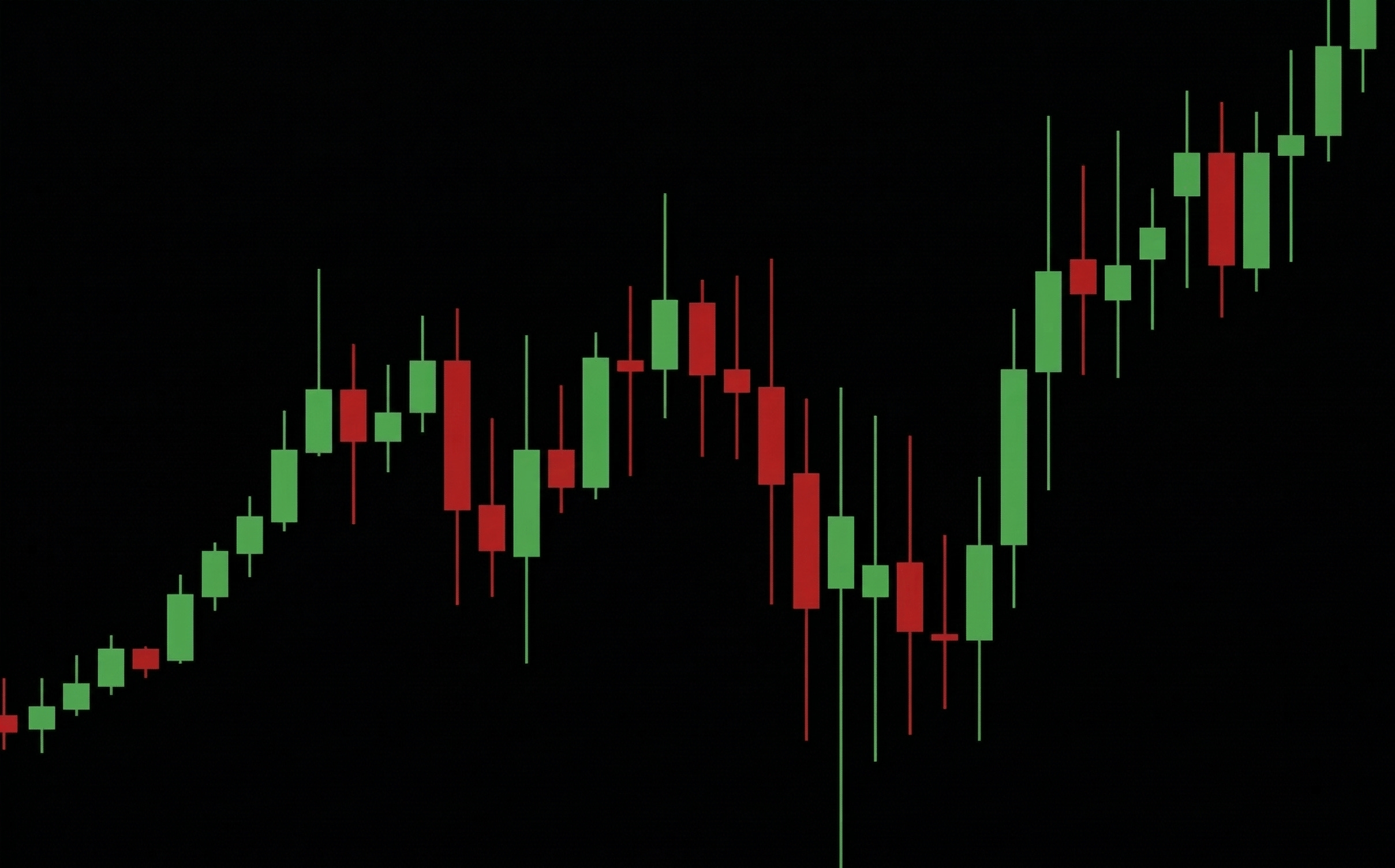

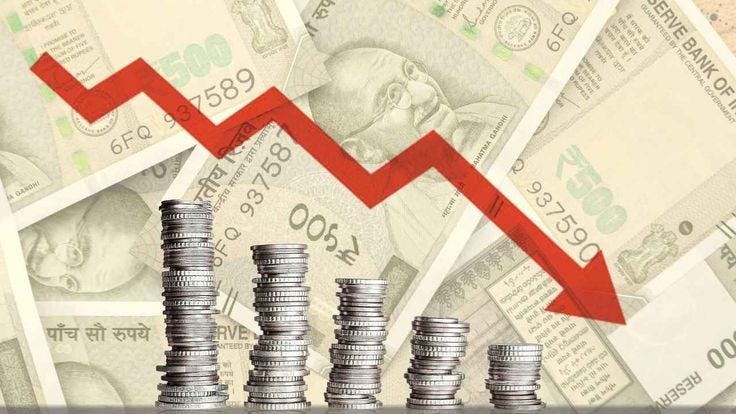
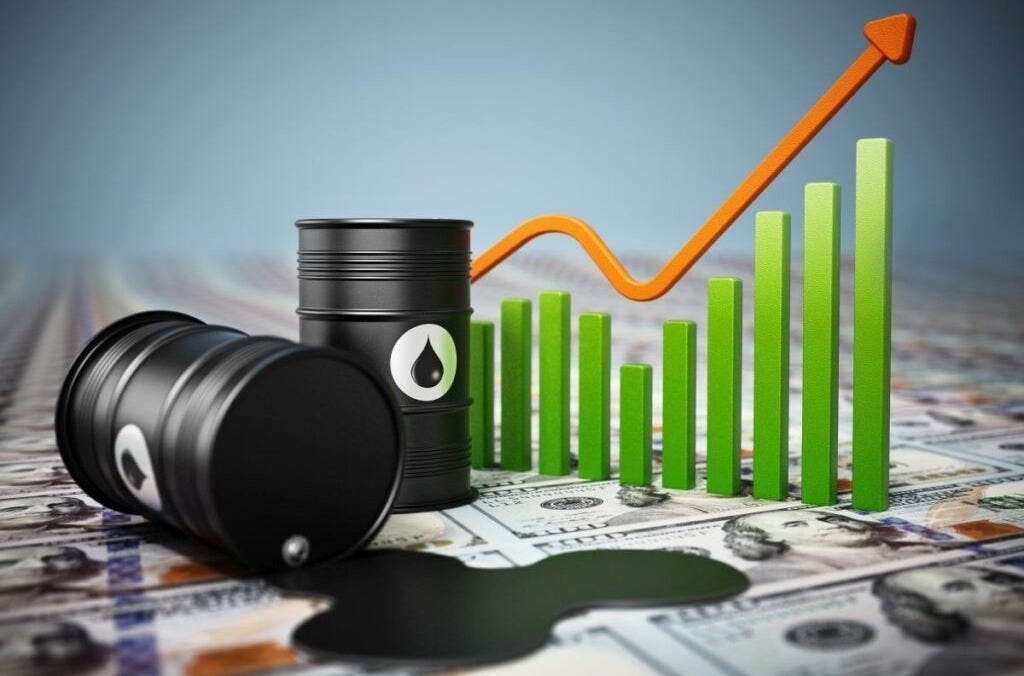
Given how quickly news flows through online mediums, an unwelcome development in one part of the world can cause a spillover effect across global markets within hours, even though this could be a temporary phenomenon. The challenge arises when retail investors reacting to sentiment mistake these short term market changes and let greed, fear or panic take over, even though things could return to normal later that day.
The Gap Open Problem
When the markets open for trading, there are times when stocks or indices open significantly higher or lower than their previous close, even if there are no trades in between. This happens as a reaction to global cues, with the GIFT Nifty reacting first to the news, especially since the Western indices remain active when India’s markets close down. For traders, this gap open matters as it can widen their stop losses, especially at times when you do not immediately know why the markets are behaving the way they are. Usually, these open gaps come in two forms:
Filled gaps, when the price moves back toward the previous close during the day — mostly due to the markets reacting to sentiments rather than genuine fundamental changes. The gap opened, but by end of day, prices gravitated back toward where they started.
Unfilled gaps, when the price stays at a new level or extends further — a direct consequence of a genuine macro shift, like when the Sensex crashed 1,800 points on March 23-24 due to escalating tensions in the Middle East. The fundamental reason was real, so the gap held.
Many times, this gap is caused due to sentiments, but this is usually the least reliable period to make trading decisions. Unfortunately, the sudden change in prices sometimes causes panic reactions in retail investors, affecting their trading decisions. Institutional investors, on the other hand, usually do not take these gaps that seriously — instead, they use it to adjust their hedges before making their bets.
How to Use the Holiday Window
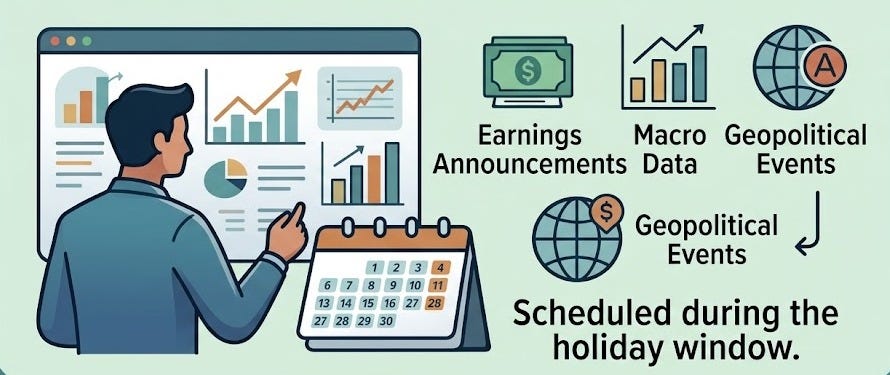
Though initial gaps caused due to sentiments remain a temporary phenomenon, a savvy investor can use it to their advantage, if you keep your eyes and ears open for developments that could affect your holdings. Here is what you need to do:
Before the holiday closes:
Check your open positions for any earnings announcements, macro data, or geopolitical events scheduled during the holiday window that could move your holdings
If you have a stop-loss order active, understand that gap opens can breach stop-loss levels and execute at much worse prices than intended — consider whether your stop is still appropriate
For options holders: time decay (theta) still runs over holidays. A two-day holiday can meaningfully erode the value of short-dated options even if the underlying does not move
During the holiday:
Track GIFT Nifty as an early signal of opening direction
Watch US market close and any overnight macro data (US CPI, Fed minutes, etc.)
Note crude, DXY, and any major FII-relevant news
Before the open:
Check GIFT Nifty at 9:00 AM for the gap signal
Do not place market orders at open — use limit orders
Wait 15 minutes before making any new position decisions
The Stocks Most Affected by Holiday Gaps
Not all stocks face the same challenge with holiday gaps. Some, which are directly exposed to the international markets, have a direct bearing on the markets. Some stocks are much more affected than others:
IT stocks (TCS, Infosys, Wipro, HCL): Highly correlated with Nasdaq. A Nasdaq move of 1%+ during a holiday almost always moves these at open
Oil and gas (Reliance, ONGC, OMCs): Brent crude price movements can affect these stocks, with holiday gaps making them worse
Aviation (IndiGo): Both crude and currency sensitive — double exposure during long holiday windows
Metal stocks (Tata Steel, Hindalco, JSW): Linked to LME metal prices and China commodity demand signals, both of which move during Indian holidays
Least affected: Domestic consumption names (consumer staples, utilities, telecom) with limited global linkage. These gap less and fill gaps faster.
The Holiday Gap: A Reason to Pay Attention
The markets will be closed on Tuesday, March 31 due to Mahavir Jayanti, and the next holiday is scheduled for Friday, April 3 due to Good Friday. The latest holiday gap between Friday, March 27 and Monday, March 30, saw the Nifty and Sensex fall by 270 and 1,000 points respectively, as the weakening Rupee and rising Brent crude prices impacted the markets during the weekend.
These ongoing developments are expected to impact forthcoming holiday gaps as well. As an investor, opening gaps can indicate market direction, but they do not paint the entire picture. Letting panic or greed drive your reaction to a gap open is usually the worst decision you can make in that moment. A market holiday is not a reason to stop paying attention. It is a reason to pay a different kind of attention — to the signals that will determine where your portfolio opens the next morning. The investors who get blindsided by gap opens are not unlucky. They just assumed the world paused when the NSE did. It did not.
Disclaimer: This newsletter is for informational and educational purposes only and does not constitute investment advice or an offer or solicitation to buy or sell any securities. Views expressed are based on publicly available information as of the date of publication and may change without notice. Please consult a qualified financial adviser before making any investment decision.