
Bengal just threw out 15 years of power. But can Anti- Incumbency be Investable?

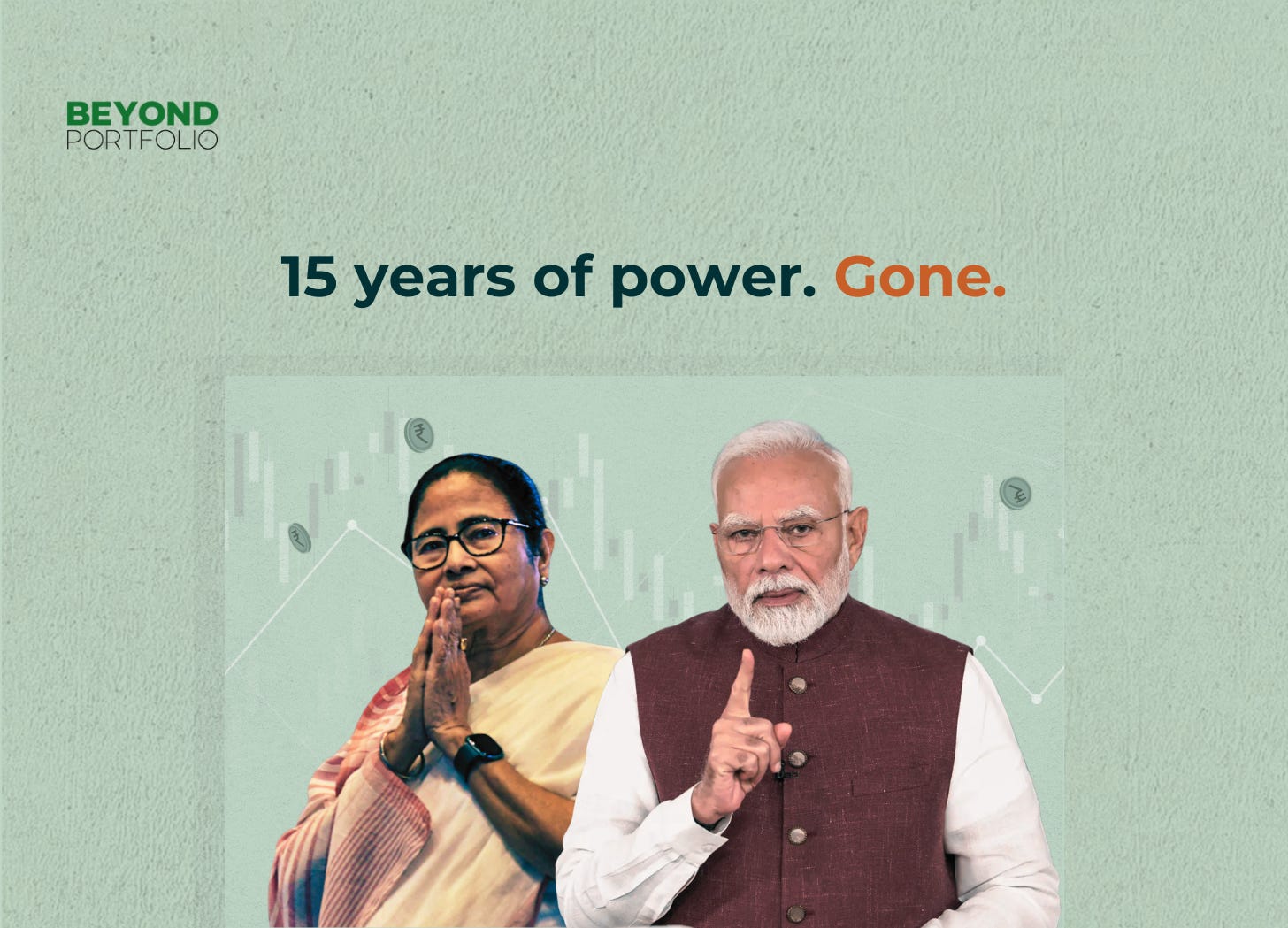
On the morning of May 4th, 2026, a political era ended. From 215 seats in 2021 to 88 today. Fifteen years of entrenched power gone in one counting day. For a state that has typically been averse to change, this is a change that took 15 years of campaigning, rapport building and gaining trust to make it happen.
This has been a pattern that has repeated itself after years of anti incumbency. The Congress faced it and the BJP itself has been facing it at the Centre, as it has come to power with a weaker mandate.
Expectations for better outcomes motivates people to seek change. But when the same people have been around for too long and become familiar faces, that familiarity breeds contempt, if change isn’t delivered. And that starts a new cycle for change.
Why did it take 15 years for change?
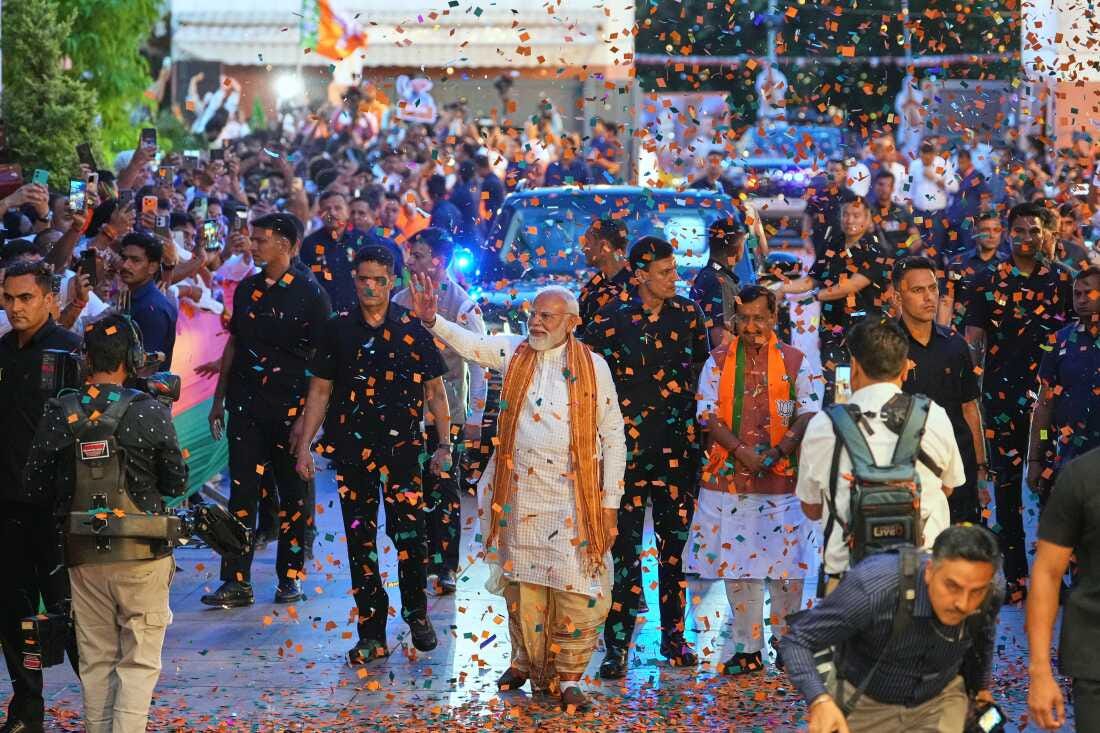
The Trinamool Congress, in the 15 years it was in power, centered its governance approach on welfarism based on the centralised leadership of its party chief.
It ran a host of welfare schemes for the vulnerable sections of society, and hated the idea of land acquisition, even if it led to economic stagnation.
The beneficiaries of the welfare schemes did appreciate the handouts, but that doesn’t add up to the entire electorate. These schemes were targeted to farmers, women and children, but what about those who left home for work? What about those who wanted to work but couldn’t find any?
Economic Opportunities: The Primary driver for change
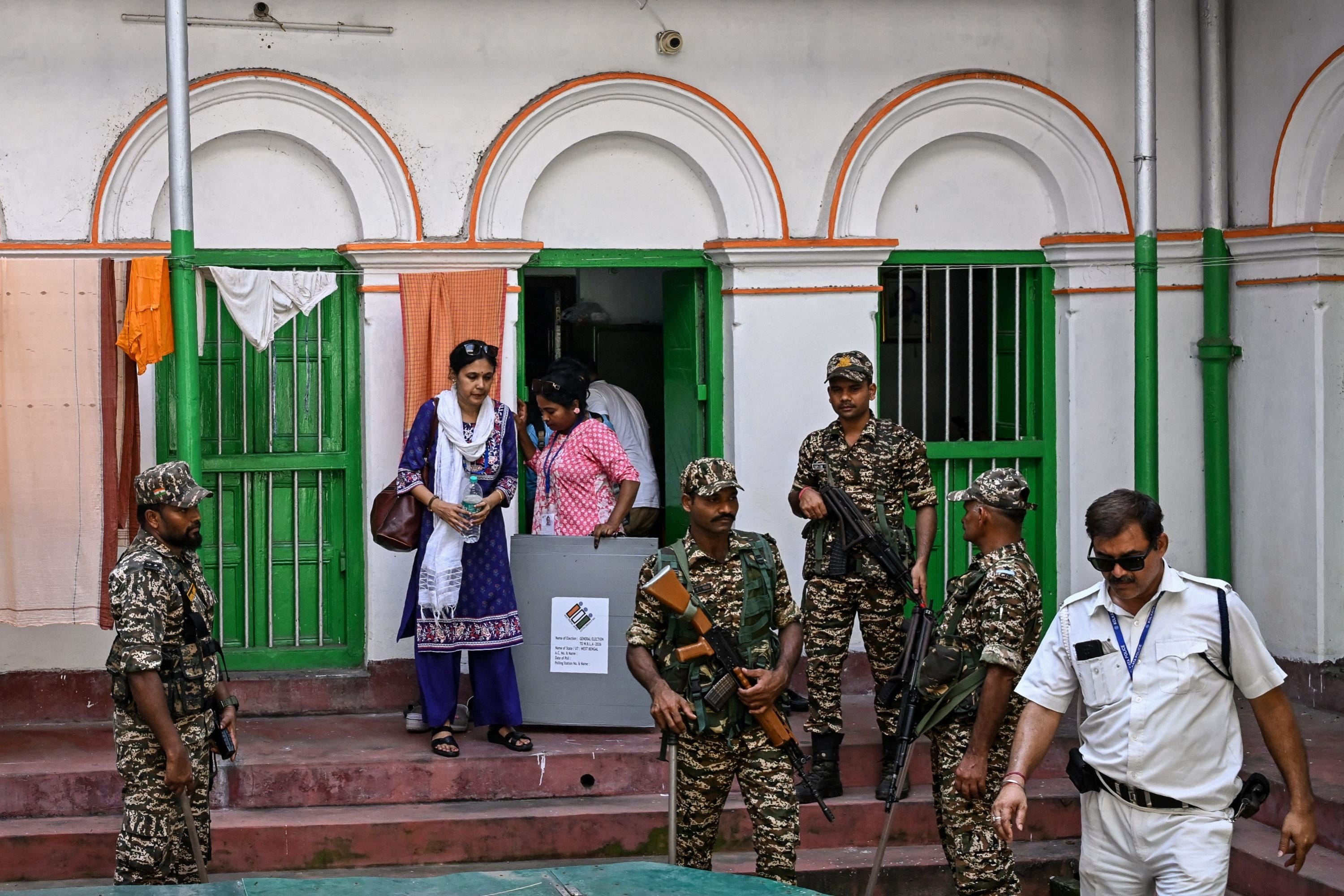
Though welfarism has been around for quite some time now, political leaders easily forget that this is a short term solution, and one that cannot sustain in the long run.
There is a popular saying: “Give a man a fish and you feed him for a day; teach him how to fish and you feed him for a lifetime”, that is conveniently ignored, even as economic opportunities and the hope for earning more is always remembered.
West Bengal has been a laggard state for about half a century now. It has historically been the most prosperous region in the country, with its textiles, metals and manufacturing industries being world renowned. For centuries, European nobles have been fascinated by Muslin cloth,with its lightweight feel that made it worth gold.
The state, endowed with fertile soil, expansive trading networks into Southeast and East Asia and its luxury goods,had been the gateway to the riches of India, and had remained since for years, up to the 1960s, where it remained one of the leading industrial powerhouses of India.
Since then, the state hasn’t been able to keep up with the rest of the country, even as millions of Bengalis over the years have chosen to move out for better opportunities.
What happens when the hope of change is lost?
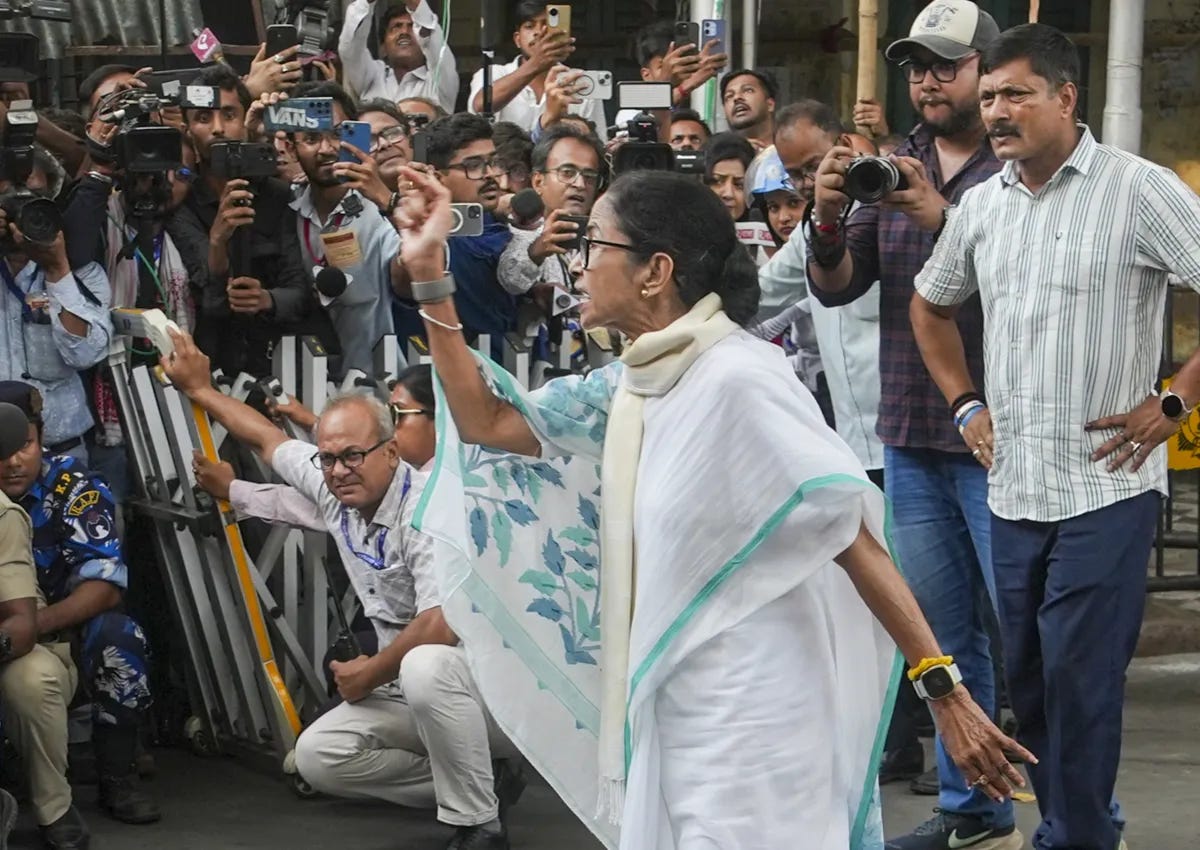
When someone has been in power too long but hasn’t offered any hope for change, a new entrant is always appreciated, especially when they bring in something that hasn’t been experienced before.
And it is not just about politicians. Even established corporations that were once invincible have been humbled.
Before the Maruti 800 launched in India in 1984, the automobile market was dominated by Premier Padmini and Hindustan Ambassador. These cars were outdated, unreliable as they were based on older designs and technologies. They frequently broke down with both companies profiting from this as the spare parts companies were owned by family members of Premier and Hindustan Motors.
India was years behind the industrial revolution that had swept the West and the Maruti 800 was the solution every Middle Class Indian looked forward to. The car was affordable for the middle class and offered relevant technological upgrades for Indian road conditions. Maruti expected about 20,000 bookings in the first year, but got a waiting list of 1,50,000. Over time, both the Padmini and Ambassador became relics of the past, with modern car designs taking over the market.
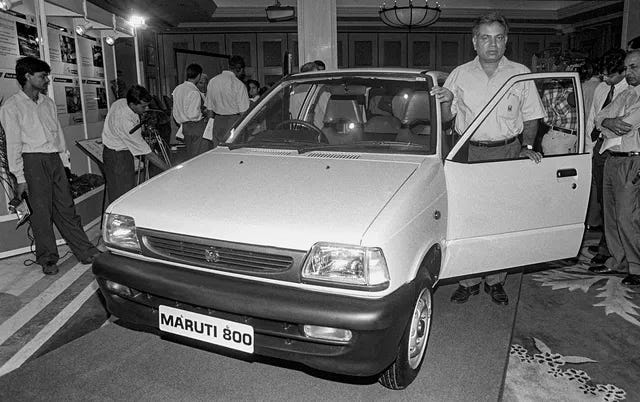
For the Middle Class Indian, the Maruti 800 in the 1980s was their first hope for better days, as the old gave way to the new. The economic liberalisation of the 1990s solidified this change, with better, cheaper and value for money alternatives preferred over legacy brands that gave nothing in return.
In the case of Maruti Suzuki, the opportunity for change made all the difference, even as Premier and Hindustan Motors never bothered to address the challenges with their products, until it was too late.
Maruti, on the other hand, didn’t rest on its laurels. It continued innovating and offering new products for its customers, even as competition intensified. That has ensured that the value of its stock has skyrocketed from Rs.125 in 2003 to Rs.13,000 today, a more than 100x rise. Padmini and Hindustan Motors? They ceased production and are defunct now.
Whether it is the humbling of the 15 year old incumbent government or the established automobile owners who didn’t bother to understand the rumblings of the population, a new player will always be preferred if they offer a hope for something different.
Change, in any form, has remained constant, even though the time for that differed. A delay or aversion for hard decisions or the assumption of maintaining the status quo remained the most fatal mistake.
How markets work the same way

Across the stock markets, we see many such companies who chose not to innovate or decided to wait until it was too late. For years, Nokia held to its monopoly status in the mobile phone market, and saw their business wither in front of their eyes when Apple’s iPhone launched in 2007 and later, cheap Android phones from Samsung and other makers flooded the markets. Nokia could never regain lost ground and was eventually folded.
When entrenched power falls-corporate or otherwise- the rotation is sharp and fast. The black horse becomes the hero when the incumbent assumes he is invincible. When a certain strategy consistently fails to deliver, loyalty shifts to the one who can, and one who will go to any level to deliver.
Jio did it to Airtel. Zomato did it to offline restaurants. TMC looked invincible just 5 years ago. Markets, investors, and analysts make the same mistake — they extrapolate recent dominance into permanent leadership. Nifty leaders of 2010 aren’t the leaders of 2025. The fund that ruled for a decade is average today. Political and market cycles rhyme.
For those who are in power- how long will you need to understand that power and support is conditional? Because the longer you hold on to something past its expiry — politically or financially — the more violent the correction.
Disclaimer: This newsletter is for informational and educational purposes only and does not constitute investment advice or an offer or solicitation to buy or sell any securities. Views expressed are based on publicly available information as of the date of publication and may change without notice. Please consult a qualified financial adviser before making any investment decision.